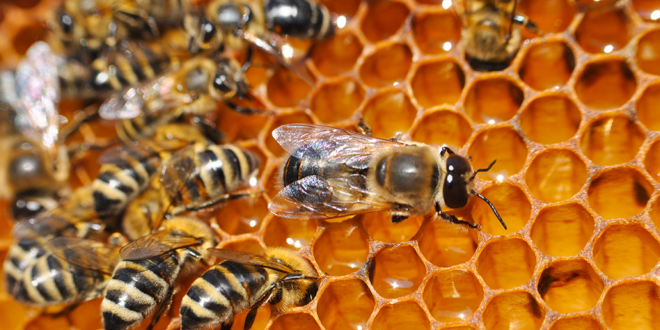
Bees may be small insects, but they play a huge role in maintaining healthy ecosystems. As pollinators, bees help plants reproduce by carrying pollen from one flower to another. This process allows plants to produce fruits, vegetables, seeds, and nuts. Without bees, many of the foods people eat every day would become much harder and more expensive to grow.
Pollination is essential for both agriculture and natural ecosystems. Bees contribute to the growth of crops such as apples, blueberries, almonds, and cucumbers. According to scientists, a large portion of the world’s flowering plants depend on animal pollinators, especially bees. By helping these plants reproduce, bees support food chains that provide food and shelter for many other animals.
Unfortunately, bee populations have been declining in many parts of the world. Habitat loss, climate change, pesticides, and diseases have all contributed to this decline. As cities expand and natural habitats disappear, bees have fewer places to find food and build nests. Changes in weather patterns can also affect when flowers bloom, making it harder for bees to find nectar and pollen.
The decline of bees is a concern because it threatens biodiversity and food production. Fewer bees mean less pollination, which can reduce crop yields and weaken ecosystems. Protecting bees is therefore important not only for the environment but also for human well-being.
There are several ways people can help bee populations. Planting native flowers, reducing pesticide use, and creating bee-friendly gardens can provide important sources of food and shelter. Even small actions can make a difference. By protecting bees, we help preserve ecosystems, support agriculture, and ensure a healthier environment for future generations.
Although they are often overlooked, bees are among the most important creatures on Earth. Their work helps sustain life all around us, making them essential members of our ecosystem.