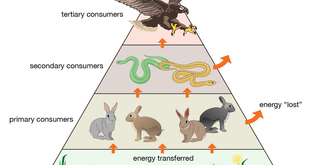
An ecosystem consists of many distinct species but they function as a network. The addition or removal of one top predator causes a sequence of events that leads to the transformation of the entire community. This event is known as the trophic cascade, which illustrates the role of one species …
Read More »What Do Fires Do to a City Environmentally and Economically?
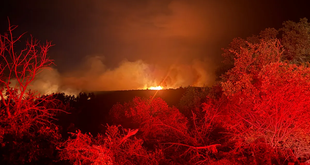
By: Elle Shi, Grade 8 Fires can have devastating effects on cities, causing serious environmental damage and major economic losses. Whether caused by wildfires spreading from urban areas or fires beginning within the city itself, large fires can affect communities long after the fires have been contained. Environmentally, fires can …
Read More »Small Islands, Deep-Sea Power: The Cook Islands and the Geopolitics of Seabed Minerals
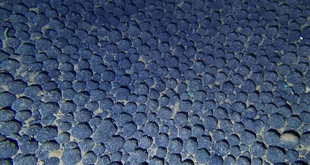
Although the Cook Islands only house around 15,000 people, less than an filled out NBA arena, under the surface of its two million square kilometer exclusive economic zone(EEZ) holds one of the most valuable seabeds on earth. Lying on the Penrhyn Basin, billions of metric tons of Polymetallic nodules contain …
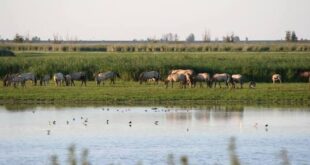
Read More »Can nature recover if humans simply step aside? This question lies at the heart of Oostvaardersplassen, one of Europe’s best-known rewilding projects in the Netherlands.
The area was created on reclaimed land in the 1960s. Instead of developing it into farmland or cities, conservationists allowed nature to shape the landscape. Large grazing animals, including Heck cattle, Konik horses, and red deer, were introduced to replace the ecological roles once played by extinct wild herbivores. Their …
Read More »What is Blue Carbon?
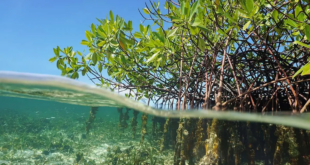
By: Elle Shi, Grade 8 When people think about climate change, they often imagine forests and trees absorbing carbon dioxide from the atmosphere. However, there are some other ways to reduce carbon dioxide in the atmosphere other than from trees that are not even found on land at all. These …
Read More »Green Roofs
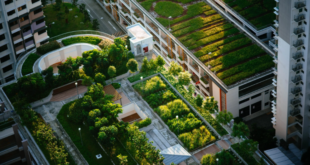
By: Elle Shi, Grade 8 When people imagine a city, they often picture tall buildings, busy streets, and endless stretches of concrete. However, how can we take these green-lacking-cities to become “greener” without taking up more land? One solution has already been taken to the cities and above our heads: …
Read More »For centuries, beavers disappeared from the United Kingdom because of hunting and habitat loss. Today, conservationists are bringing them back, and these hardworking animals are proving to be valuable allies in restoring ecosystems.
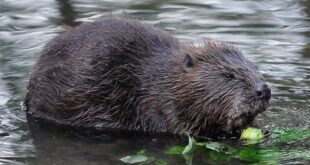
Beavers are often called “nature’s engineers” because they build dams using branches, mud, and rocks. While these dams may look simple, they have a powerful impact on the environment. By slowing the flow of rivers and streams, beaver dams reduce the risk of flooding during heavy rainfall. Instead of rushing …
Read More »What Do Avocados Have to Do With the Environment?
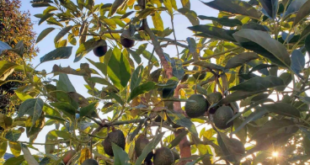
What Do Avocados Have to Do With the Environment? By: Elle Shi, Grade 7 Avocados have become one of the world’s most popular foods. This creamy fruit can be served as guacamole to be paired with guacamole or served sliced on top of toast for a both filling and healthy …
Read More »