What Do Avocados Have to Do With the Environment?
By: Elle Shi, Grade 7
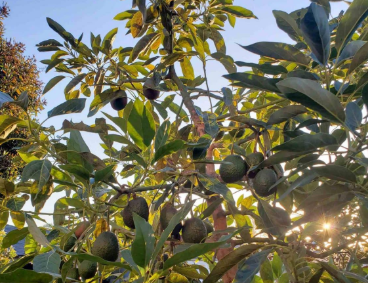
Avocados have become one of the world’s most popular foods. This creamy fruit can be served as guacamole to be paired with guacamole or served sliced on top of toast for a both filling and healthy breakfast. However, behind its trendy dishes, there is a growing concern about the rising problems it has been causing to the environment that many consumers do not realize.
One of the biggest concerns surrounding avocado production is water use. Avocado trees require large amounts of water to grow. In regions where avocados are heavily farmed, such as parts of Mexico and Chile, water resources are already limited. Estimates suggest that it can take hundreds of liters of water to produce just one kilogram of avocados. As demand for the fruit increases, smaller local communities may face water shortages, putting pressure on the economy.
Deforestation is another major issue. To meet global demand, farmers often clear forests to create new avocado orchards. In Mexico, the world’s largest avocado producer, many square miles of forests have been cut down to make room for avocado trees. These forests are home to species of plants and animals, and their destruction reduces biodiversity. In addition, avocados do the opposite of trees; since when they are farmed, they are monocultures, which at first may produce lots of fruits, but after years of farming biodiversity is lost. Trees also absorb carbon dioxide, so removing them contributes to climate change by allowing more greenhouse gases to remain in the atmosphere.
The rapid growth of the avocado industry has also led to concerns about unsustainable farming practices. Intensive agriculture can degrade soil quality, increase the use of nitrogen fertilizers which can disrupt local ecosystems. Over time, these practices may make the land less productive.
Despite these challenges, avocados are not inherently harmful. Many farmers are working to adopt sustainable practices, such as conserving water, protecting forests, and improving soil management. Consumers can also make a difference by supporting sustainably grown produce and being mindful of how often they purchase resource-intensive foods.Understanding these costs of our favorite foods can help us make more smart decisions and encourage a more sustainable future.