By: Elle Shi, Grade 8
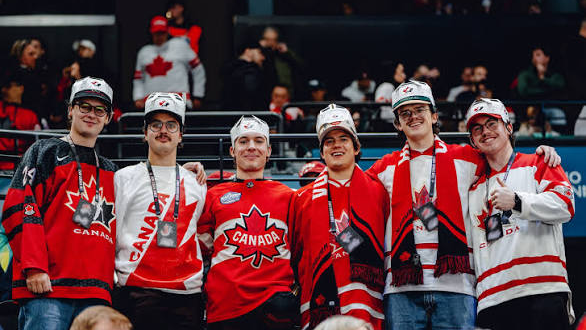
Why do millions of people spend hours watching sports? Why do families tune in to their favorite team’s games every Saturday? Why do fans scream at their televisions, wear their favorite team’s jersey, and travel across the country to watch a game? Sports are more than just games for the athletes. For many people, they create a sense of excitement, connection, and belonging that pulls them into watching them.
One of the biggest reasons people watch sports is the thrill of uncertainty. Unlike a movie, where the ending has already been decided, sports are unpredictable. A team can be losing for most of the game and suddenly make an incredible comeback. A single play can completely change the outcome. This uncertainty creates suspense, making fans want to keep watching and coming back to watch because they don’t know what will happen next.
Another powerful reason is emotional connection. Fans often develop strong attachments to their teams and athletes. When their team wins, they may feel proud and excited. When their team loses, they may feel disappointed or frustrated. Psychologically, fans can feel connected to something larger than themselves through their team. This is especially true when people share their passion with friends and family.
Sports also provide a sense of identity. Wearing a team’s colors or cheering for a particular athlete becomes part of how someone sees themselves. Fans may feel like they are part of a group with a shared purpose. This sense of belonging can be especially meaningful because sports bring together people who might otherwise have little in common.
Finally, sports offer fans a break from everyday life. Watching a game allows people to focus on something exciting and temporarily forget about school, work, and other responsibilities. The emotions of the game provide entertainment and an opportunity to relax. Ultimately, the psychology of sports fandom comes down to more than winning and losing. Sports combine uncertainty, emotion, identity, and community to pull in the audience and support them in more than just donations.