By: Ben Yi, Grade 11
SpaceX’s (SPCX) recent initial public offering (IPO), trading on Nasdaq, opened at $135 per share. SpaceX priced its historic initial public offering at $135 per share, but the stock opened for public trading at 150 dollars on June 12. The stock quickly surged during its debut, hitting an intraday high of $176.52 before closing its first day of trading at $160.95. The capital raised was around 85.7 billion, making it the largest IPO in history. Since its initial success, however, SpaceX touched a fresh all-time low of $110.85 this week before bouncing to close at $118.24, down sharply from its post-IPO intraday high of $225.64. Short interest has climbed past 30% ahead of SpaceX’s first earnings report as a public company, due August 4, and a major insider lock-up unlock (roughly 911.5 million shares) becomes eligible starting August 6.
SpaceX’s beginning accomplishments temporarily made Elon Musk the world’s first trillionaire with a net worth peaking around $1.1 trillion. Subsequent stock drops in both SpaceX and Tesla, however, have since pulled his net worth back down below that threshold to around 711.8 billion.
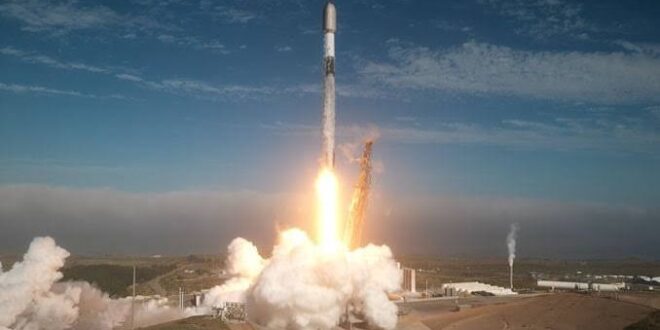
SpaceX also recently aborted a launch attempt on July 16 in the final seconds when at least four Super Heavy engines had failed to ignite during the startup sequence. The point of the SpaceX Starship was to create a fully reusable, ultra-heavy-lift transportation system to make human spaceflight vastly cheaper and enable the colonization of Mars. This was the first Starship attempt since SpaceX went public, and markets reacted in real time, with the stock dropping more than 3% in after-hours trading after the scrub. Musk said two Raptor 3 engines would need to be removed and replaced after further delays from Tropical Storm Bertha. The flight retry on July 24 overall went well, with no engines failing on ascent, the Super Heavy booster splashing down successfully in the Gulf and Starship deploying the first-ever V3 Starlink satellites in space, all 20 of which SpaceX confirmed contact with before they burned up in the atmosphere as planned.
Photo from Spaceflight Now