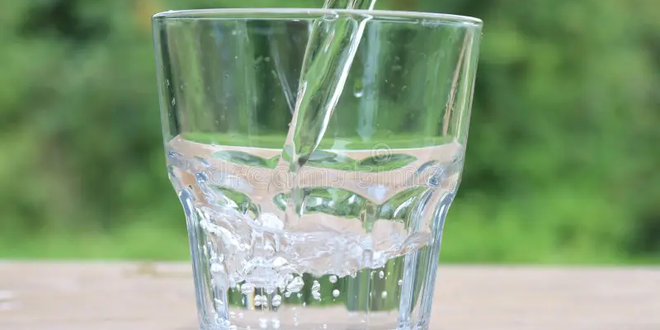
Water, a compound that makes up ~70% of the Earth, sustains life and, one could argue to some extent, is the whole reason for human existence. In the feeble human body, its function is undeniably ubiquitous. Water regulates temperatures, our blood’s pH, and keeps organs functioning. Water has been around for the entire lifespan of the universe as we know it, yet one simple question still preoccupies citizens today.
How much water should you actually drink? For the average person, the recommended amount is around 2.5L. That’s around 3 full bottles of 24oz. Owalas. You are likely not drinking enough water every day. Now, actually achieving the goal of 2.5L of fluids is daunting; however, one must keep in mind that water is not solely obtained by drinking it. A significant portion of our daily water intake comes from the foods we eat. Fruits and vegetables, for example, contain large amounts of water and contribute to our overall hydration. Water-rich foods such as watermelon, strawberries, cucumbers, oranges, and lettuce can make up around 20% of the recommended daily fluid intake. Other beverages, including milk, tea, and fruit juices, also contribute to daily fluid intake. Therefore, someone does not necessarily have to drink 2.5 liters of plain water to stay adequately hydrated.
Still, the amount of water a person needs can change depending on their circumstances. Someone exercising intensely or spending several hours outside on a hot day will lose more water through sweat and therefore needs to replace more fluids. Similarly, people who are sick, especially those experiencing fever, vomiting, or diarrhea, may require additional fluids. Climate also plays a major role. A person living in a hot and humid environment may need considerably more water than someone living in a cool climate.