Wildfires, volcanic eruptions, floods, and human activities can destroy ecosystems. The land may appear to be permanently destroyed. But nature has a way of re-building itself. Plants, animals and microorganisms slowly come back and change the environment over time. This natural process is known as ecological succession.
Succession starts with organisms known as pioneer species. These are some of the first life forms that live in an impaired environment. Lichens, mosses and small plants can grow on bare surfaces and start to break down the rocks. When these organisms die, they add nutrients to the soil, which makes it easier for other plants to grow.
Eventually, grasses and small plants appear. They help hold the soil together and provide food for insects and other animals. As the soil becomes richer, larger plants and shrubs can grow. Trees may eventually become established, creating forests that provide shelter and food for many different species.
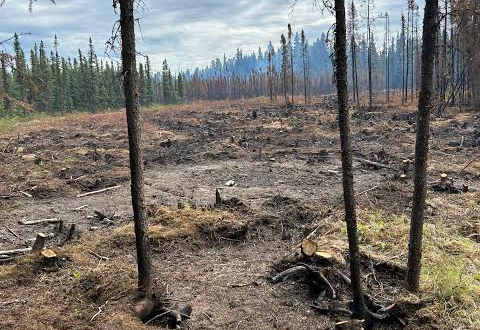
Ecological succession can be divided into two main categories: primary and secondary. Primary succession occurs when there is little or no soil in a certain area, for example, on newly-formed volcanic rock. Soil formation can take hundreds or thousands of years, as primary succession requires that process to happen first. Secondary succession takes place at a location where soil is already present, for instance, after a wildfire or when farmland is abandoned, meaning that the recovery process is much faster.
Ecological succession proves that ecosystems do not remain damaged forever and that nature is able to restore certain habitats over time.
However, recovering is not always possible. Strong pollution, invasive species, and human activity can prevent ecosystems from recovering.
Thus, understanding plant succession enables scientists to know how ecosystems recover and how they should intervene.
Nature’s ability to rebuild itself is a reminder that environmental recovery does not always require humans to control every step. Sometimes, providing the right conditions and giving nature enough time can allow life to return on its own.