By: Elle Shi, Grade 8
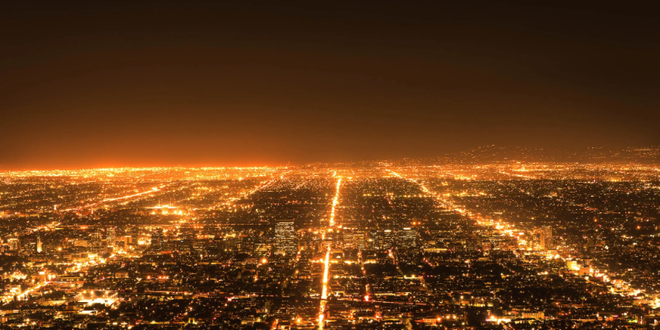
When we imagine pollution, we usually imagine dirty water, plastic waste, or smoke filling the air. However, there is another type of pollution that is often overlooked. Light pollution. Light pollution is the excessive or unnecessary use of artificial light at night. It is especially common in cities, where streetlights, buildings, LED signs, and cars can make our night sky much brighter than it naturally is.
One major effect of light pollution is that it makes it more difficult to see stars. In areas with heavy light pollution, the night sky can appear almost completely black, with only a few bright stars visible. This not only affects astronomers, but also prevents people from experiencing and appreciating the natural night sky. There is often a myth that sleeping with a shining light at night can affect your height. Even though this myth is not true, too much light at night can disrupt your Circadian rhythm which is a natural 24 hour “clock” in your brain and controls your sleep, waking up, and biological processes.
Light pollution can also affect animals and humans. Many animals depend on natural patterns of light and darkness to navigate, find food, and reproduce. Artificial light at night can interfere with these behaviors. For humans, too much light at night can disrupt natural sleep patterns and make it harder to get enough rest.
Fortunately, light pollution is a problem that can be reduced. Cities and communities can use lights that point downward instead of spreading light into the sky. People can also turn off unnecessary lights and use timers or motion sensors at night.
Reducing light pollution does not mean making our communities completely dark. It means using light more thoughtfully so that we can have safe, well-lit spaces while still protecting the natural darkness that both people and wildlife need