By: Elle Shi, Grade 8
Have you ever wondered where the water goes after you flush the toilet, take a shower, or wash the dishes? Once we use water in our homes, it does not simply disappear or directly go into the ocean. Instead, it travels through a system of pipes to a wastewater treatment facility.
First, used water from sinks, showers, toilets, washing machines, and dishwashers flows through the household’s drainpipes. These pipes connect to larger underground sewer pipes that carry wastewater away from neighborhoods. In some areas, homes may use septic systems instead of public sewers.
If the water goes to a treatment facility, it goes through several stages of cleaning. Large objects and debris are removed first. Then, heavier materials settle to the bottom while oils and other materials are separated from the water. Next, microorganisms help break down organic waste and remove pollutants. The water is then treated further to kill harmful bacteria and other microorganisms.
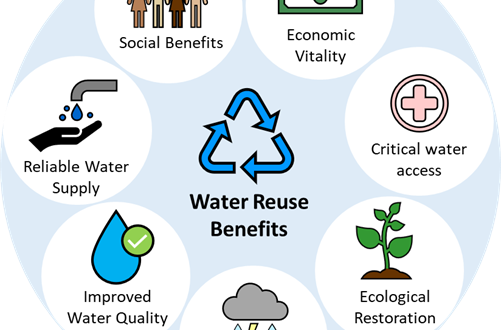
After treatment, the cleaned water can be released into a river, lake, or ocean, depending on the local system and environmental regulations. Some communities also reuse highly treated wastewater for purposes such as irrigation or industrial use.
The materials removed during treatment, called sludge, are processed separately. Some of it can be treated and reused, while the rest is disposed of safely.
Overall, household water goes on a long journey after we use it. Wastewater treatment helps protect our environment and ensures that water can safely return to the natural water cycle.