By: Elle Shi, Grade 7
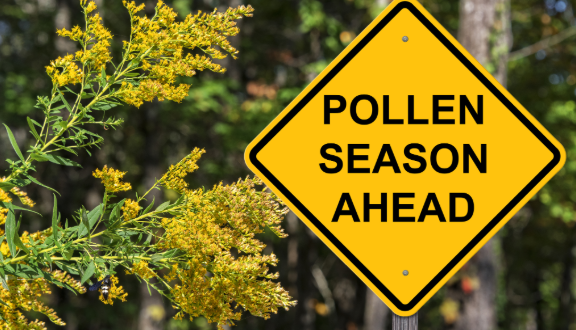
As spring, the allergy season, passes, you might wonder what has been triggering your allergy symptoms. Millions of people have a condition called seasonal allergic rhinitis, or hay fever. Every year in spring, usually through March and June, plants release pollen into the air to fertilize other plants. They can easily travel by the wind for miles and end up in your nose and lungs.
For some people, inhaling pollen is harmless. However for those who suffer from allergies, their immune system treats the pollen as another dangerous pathogen or invader. As the body produces antibodies, like Immunoglobulin E, to try and get rid of the pollen. The Immunoglobulin E then attaches to mast cells, special cells located primarily in your nose, eyes, and lungs. When the two bind, this causes the mast cells to burst open and release many chemicals, including histamines.
Histamines are a natural chemical messenger in the body that helps regulate immune responses and more, but also have an uncomfortable side effect. When your immune system overreacts to pollen, you often experience symptoms like a running nose, sneezing, and watery eyes. These symptoms happen because of swollen nasal passages that cause sneezing and congestion. In addition, histamines can cause widespread inflammation by dilating blood vessels and making them leaky which leads up to hives, rashes, intense itching, or the flushing of skin.
What most people don’t know is that seasonal allergies can also get more intense over time. This happens because after repeated exposure to pollen, the immune system tends to react more aggressively. Also, with the current rising global temperatures and higher carbon dioxide levels, plants are producing more pollen and lengthening the allergy season.
If you want to stop allergies, or at least moderate them, there is a two-step approach that you can try. The first one is the easiest and most effective: preventing pollen from entering your body in the first place. You can do this by managing your home’s air by having shut windows and an air conditioner with a filter. After you return home each day, change your clothes immediately and take a shower. The next step you can take is by taking over-the-counter medicine like nasal sprays and second-generation antihistamines. These pills can block histamines and moderate symptoms without making you drowsy like first-generation antihistamines do. By knowing your allergy, you can control your symptoms once the allergy season hits.