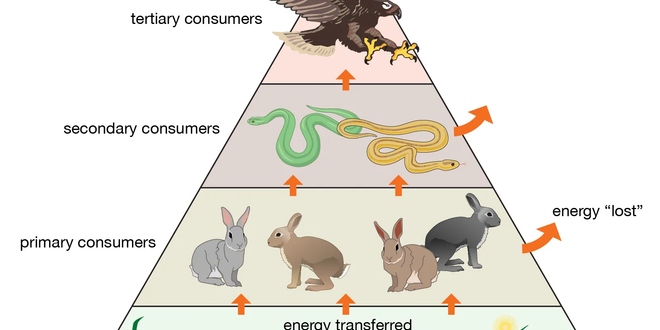
An ecosystem consists of many distinct species but they function as a network. The addition or removal of one top predator causes a sequence of events that leads to the transformation of the entire community. This event is known as the trophic cascade, which illustrates the role of one species in the functioning of the ecosystem.
One of the striking examples of the trophic cascade is the history of the wolf population in the Yellowstone National Park. The disappearance of wolves led to an increase in elk population. The presence of many elks leads to destruction of plants because the elk population ate too much grass and other plants, which made it impossible for new plants to grow.
The introduction of wolves changed the situation drastically. They brought down the elk population and changed the behavior of the elk as for their habitat. The elk began to avoid areas inhabited by wolves, which made it possible for vegetation to restore in the areas of their habitat. As a result, trees and bushes began to grow on the land, which improved the habitat for birds, insects, and other animals.
The effects did not stop there. More vegetation along streams helped stabilize riverbanks and reduce erosion. As the landscape changed, beavers also benefited from the return of more trees and shrubs, allowing them to build dams and create wetlands. These wetlands provided habitats for fish, amphibians, birds, and many other species.
Trophic cascades are not limited to wolves. Similar effects can occur in oceans, forests, grasslands, and other ecosystems. Sea otters, for example, can influence kelp forests by controlling populations of sea urchins, which feed on kelp.
Trophic cascades demonstrate that protecting one species can sometimes benefit an entire ecosystem. Nature does not work as a collection of isolated parts. Instead, each species plays a role in a much larger system. Understanding these connections can help scientists protect ecosystems and restore environments that have been damaged by human activity.