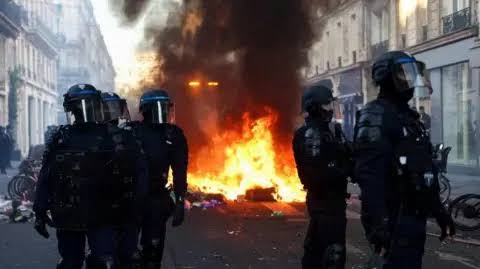
Paris has experienced widespread unrest as protests over rising living costs, poor school conditions, and declining public services have escalated into violent clashes. The demonstrations, which began with students protesting teacher shortages and inadequate school resources in September, have since grown into a nationwide movement expressing frustration with the French government.
On October 17, hundreds of thousands of people demonstrated across France. Although many protesters marched peacefully, some groups clashed with police, looted stores, burned vehicles, and damaged public buildings. Approximately 2,400 people were arrested over the weekend, making the unrest one of France’s most serious episodes of civil disorder in recent years.
The protests reflect deeper concerns about economic inequality and the government’s ability to provide adequate public services. Students have criticized overcrowded classrooms and teacher shortages, while other demonstrators have expressed anger over the rising cost of living. These grievances have united different groups, expanding the protests beyond their original focus on education.
President Emmanuel Macron has condemned the violence and promised a firm response. Authorities have increased security measures, deployed additional police officers, and considered localized curfews to prevent further destruction. However, concerns remain about police conduct and whether the government’s response will address the underlying causes of public frustration.
On October 24, another round of demonstrations took place across France. While many marches remained peaceful, clashes broke out in Paris and several other cities.
The continuing unrest highlights the challenge facing France: restoring public order while addressing the economic and social problems driving widespread dissatisfaction.