When walking through a forest you may notice many dead trees and decaying logs. However, they play a key role in keeping a forest healthy. Dead trees give animals homes, nutrients back into the ground and help with diversity.
One of the main roles dead trees have in a forest are providing homes for animals. Fallen logs provide homes for insects, fungi, salamanders and small mammals. Snags (standing dead trees) are also a home for birds such as woodpeckers to nest and feed. Dead trees provide a wide range of organisms with homes and encourage new plants to grow (U.S Fish and Wildlife Service).
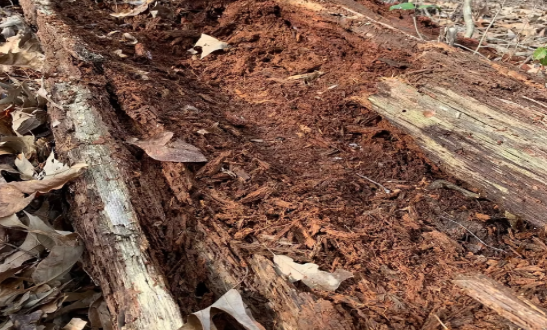
Dead trees help with recycling nutrients in the forest. As wood decays, fungi, bacteria and insects will slowly decay the wood. This provides nutrients back into the ground which can be used by growing plants and trees. If there was no decay, many nutrients would not be released back into the ecosystem.
They can also hold moisture. Decaying logs act as natural sponges. This means they can trap moisture helping mosses, fungi and young plants thrive. Fallen wood can also help protect the soil and help forests recover after droughts (Research by U.S Forest Service).
Sometimes dead trees are removed from forests. Whilst some deadwood may need to be removed for safety and wildfires, too much can cause less homes for animals.
They remind us that nature doesn’t see dead things as useless. Even death can help create new life in a healthy forest.