By Ben Yi
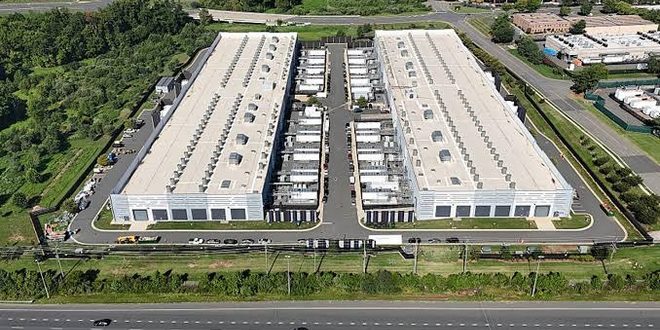
Data centers started being built in the 1940s, mainly being constructed in dedicated rooms for early computers. More and more have been built to keep up with the boom of personal computers and the internet. As AI became more developed, data centers have transformed into giant, globally distributed industrial facilities.
Since then, data centers have become a huge business and political focal point, largely over promises of jobs, water consumption and strain on the national electrical grid. While thousands of temporary construction jobs have been created during the construction of data centers, they only end up employing a relatively small number of permanent, on-site workers once they are operational. Along with the fact that these data centers require millions of gallons of water daily for server cooling, the US power demand for data centers have skyrocketed from around 23 gigawatts(GW) in 2023, to a staggering 42 GW now, as AI servers require around 5-10 times more power than traditional ones.
The amount of land required has also increased too. A small data center will typically take around 1.5 acres while massive AI server centers require over 500. Due to these issues, opposition has exploded as well. The number of active opposition groups more than doubled from 396 to 833 across 49 states in just the first quarter of 2026, and opponents have blocked or delayed at least 75 projects nationwide worth nearly $130 billion just in that same window.