For traditional gym equipment such as treadmills, weight racks, or ellipticals, the ones are sold by being durable. By being durable, that makes these goods a one-time purchase. After the purchase, there is no ongoing relationship with the buyer. There is no mechanism for a company to keep a customer engaged after the sale and no recurring revenue from the hardware itself.
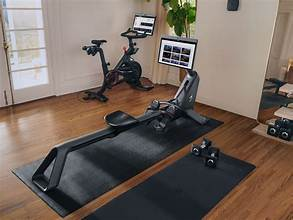
In 2012, Peloton was founded and it changed the fundamental underlying business model of gym equipment. Peloton integrated hardware, software, and content to deliver a fitness experience that could be accessible from home. Its flagship product, the Peloton Bike, launched in 2014, reported over 400,000 total bikes sold by 2019. The product exploded during the 2020 pandemic. While the bike itself wasn’t radically different from any existing bike at that time, the innovation was with the monthly subscription and live streaming of classes. It created a recurring expense from the customer, which solved the problem of having no customer engagement after the sale.
Tonal, founded in 2015, took the subscription model and combined it with the hardware. The product was a wall mounted system, using electromagnetism to control resistance digitally, which replaced the traditional weight racks. Tonal’s current system costs around 4790 dollars, not including the 59.95 monthly membership to access workouts. This means that in contrast to Peloton, which made the subscription optional, Tonal’s system forced the customer to pay just to use the product they already bought.
More recently, companies like Tonal and Peloton have layered AI-driven features such as motion tracking, form correction, real-time coaching, onto the existing subscription model rather than building an entirely new business logic around it.