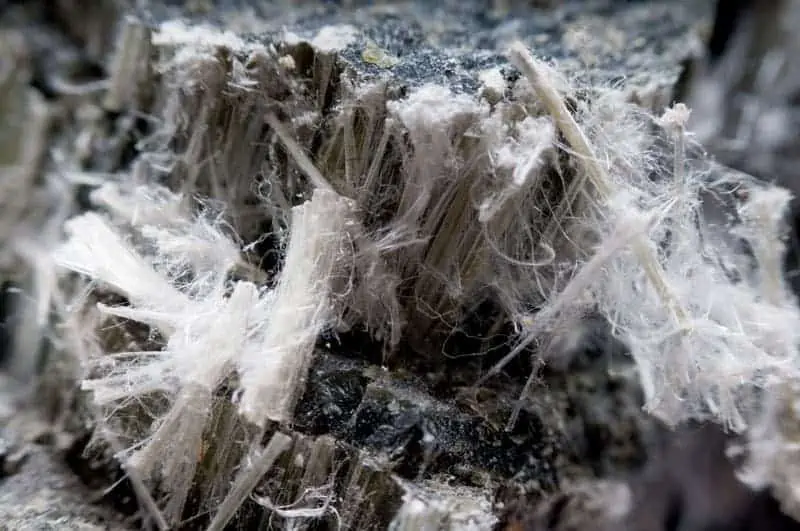
Asbestos is a natural mineral heavily used in the 20 th century due to its durable properties. By the 1950s, asbestos became very common in domestic, educational, industrial and commercial buildings. It was used by companies for insulation, roofing, flooring tiles and various household items. Asbestos was seen as a revolutionary material due to its cheap price and heat resistance. However, the negative impacts on health were not fully recognised by the public.
Although asbestos is not heavily used in modern construction, the effects can still cause health issues. Asbestos cannot degrade easily, so it can cause health issues from exposure. Many countries have put regulations in place to reduce or stop the use of asbestos but there are still millions of buildings containing asbestos materials. People are still exposed to asbestos from renovation, demolition and decaying buildings.
A large concern with asbestos is that it can be found in older domestic and commercial buildings. Asbestos was often used in insulation, ceiling tiles, roof shingles, and cement. These materials are generally safe if left undisturbed; however, when they are disturbed during renovation or building work, the asbestos can release tiny fibres into the air and cause inhalation into the lungs. Those working in construction, demolition, and maintenance are at high risk of inhaling asbestos as they often come into contact with old building materials. Homeowners can also be exposed to asbestos if they accidentally disturb asbestos products.
Asbestos can cause some alarming health issues. Once asbestos is inhaled, it can get stuck in the lungs, making it difficult for the body to clear. This causes damage to the cells and can cause inflammation. This causes an increased risk of serious respiratory diseases. One of the most famous diseases caused by asbestos is Mesothelioma, a rare and aggressive form of cancer which affects the lining of the lungs and organs. Asbestos can also cause lung cancer and Asbestosis, a chronic disease causing scarring of the lungs. Unlike many environmental hazards, asbestos-related diseases can occur between 20-50 years after exposure.
Thankfully, modern science has helped us to recognise and manage the risks of asbestos. Professionals can carry out checks to see if old buildings contain asbestos, and specialised methods are used to remove it. The government has put rules in place to reduce how much asbestos can be used and protect workers from occupational exposure. However, not all buildings are protected, and many old buildings do contain asbestos materials.
Although asbestos is no longer heavily used, it still affects public health. Thousands of people are diagnosed with asbestos related diseases each year, reminding us that we should not ignore possible health risks to make things easier and increase economical growth. Similar to the history of Radium, asbestos shows us that materials which are seen as scientific breakthroughs can become a huge issue for public health. This shows us how important it is to understand the long term effects of new technologies.