By: Elle Shi
In a world where new fashion trends appear almost every week, shopping has become a regular habit for many people. However, constantly purchasing new products comes with an environmental cost that often goes unnoticed. From clothing production to packaging and transportation, manufacturing new items consumes valuable resources and creates enormous amounts of waste. One simple alternative? Buying secondhand.
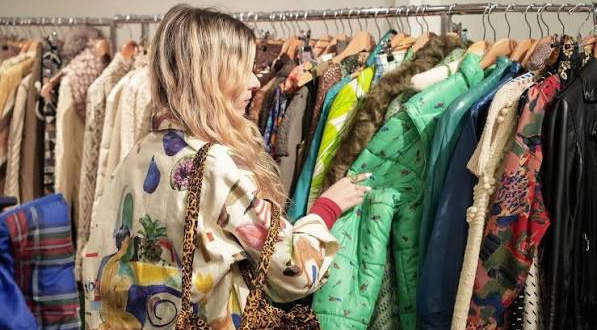
Shopping at thrift stores, visiting consignment shops, or purchasing used items online can significantly reduce the demand for newly manufactured products. For example, buying a secondhand shirt means one less new shirt needs to be produced, saving the water, energy, and raw materials that would have been required to make it. It also helps prevent perfectly usable clothing, furniture, and other products from ending up in landfills.
Beyond its environmental benefits, secondhand shopping can also be easier on your wallet. Used items are often considerably cheaper than their brand-new alternatives, allowing shoppers to find unique products without spending as much money. Thrifting can even be an opportunity to develop a personal style rather than constantly following expensive trends.
Of course, buying secondhand alone cannot solve the world’s environmental problems. However, making more thoughtful purchasing decisions can contribute to a larger movement toward sustainability. Instead of always asking what is new and trendy, perhaps we should start asking what already exists and can be reused.