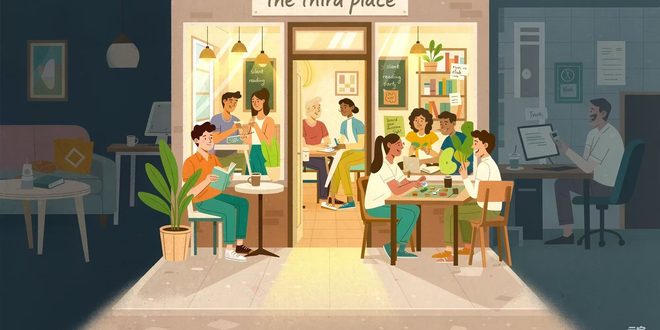
For many years, life felt simple: home was the first place, work was the second, and everything else was the third. The “third place” is a term used by urban planners for a public spot where people can meet, relax, and feel part of a community—without spending much money or making an appointment. Think of a local café, a library, a park, a barber shop, or a community garden.
Then remote work arrived. Home became the office. Work became a laptop on the kitchen table. Suddenly, many people lost the small daily contacts that used to make them feel connected: a chat with a barista, a quick hello to a neighbor, a familiar face at the gym.
Now the third place is coming back—and it is changing. People are not just going out to be seen. They are going out to belong. Silent reading parties in bars, run clubs that end with coffee, board game cafés, craft workshops, and “bring your own book” nights are all part of this quiet revival. These places offer something simple but powerful: a reason to leave the house and be around other people without the pressure of a formal social event.
The appeal is easy to understand. Third places are low-pressure. You can stay for ten minutes or two hours. You do not need to be interesting or dressed up. You just need to show up.
For a lifestyle column, this trend is a gentle reminder: community does not always arrive in big, dramatic ways. Sometimes it starts with a table by the window, a shared hobby, or a regular Saturday morning walk. In a world that keeps pushing us to be more productive, the third place asks us to do something almost radical: sit down, look up, and say hello.
Maybe the next time you need a break, you should not go home. Maybe you should go to your third place.
Sherry
Grade 9