By: Elle Shi, Grade 7
Often when people mention how we are harming our oceans, they think of pollution and people throwing trash out into the sea. However, we are hurting our oceans in far more ways: ocean warming, acidification, underwater noise, and invasive species. All unintentional of course…
Ocean warming is one of the most serious consequences of climate change. While the ocean is trying to help with absorbing greenhouse gases, we don’t realize that this is the reason why oceans are warming. For example, coral reefs are extremely sensitive to heat. If their waters become even a little too warm, coral expels that algae that give them color and energy, leading to what is called coral bleaching. More than the coral reefs dying, these reefs are the habitats for countless marine species, and without them, organisms also die or are forced to migrate into cooler areas, disrupting food chains and local fishing industries.
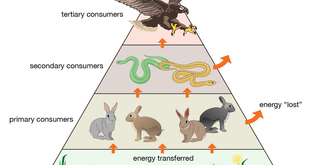
Another way we are harming our oceans is through ocean acidification. As we expel carbon dioxide into the air, that CO2 dissolves into the water, forming carbonic acid, which lowers the ocean’s pH. Since the industrial revolution, there has been a 30% increase of ocean surface acidity. This changes the chemistry of the water and makes it difficult for organisms like shellfish, plankton, and corals to build and maintain their shells and skeletons. Because many of these organisms form the base of the marine food web, their decline can affect larger species.
Another often-overlooked issue is underwater noise. Human activities such as shipping, drilling, and military sonar have made the ocean a much louder place. Many marine animals, including whales and dolphins, rely on sound to communicate, navigate, and find food. Increased noise can interfere with these essential behaviors, causing stress and disorientation. In some cases, animals may abandon important habitats simply because the environment has become too noisy.
Finally, invasive species present a growing threat to ocean ecosystems. These species are often transported unintentionally by ships when they accidentally attach. When introduced to new environments, they can outcompete native species for food and space. This can lead to significant imbalances, reducing biodiversity.
Our oceans make up more than 70% of our planet. If we continue with these “bad habits,” these issues will soon show up in ways humans may not be able to reverse.
Works Cited:
“What Is Climate Change?” United Nations, www.un.org/en/climatechange/
what-is-climate-change. Accessed 27 May 2026.