Venezuela is facing one of the most destructive natural disasters in its recent history after two powerful earthquakes struck the country on June 24, 2026. Measuring magnitudes 7.2 and 7.5, the earthquakes occurred less than a minute apart, creating what seismologists describe as a “seismic doublet” — a rare event in which two major earthquakes hit the same region in rapid succession.
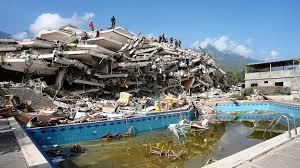
The earthquakes heavily affected northern and central regions of Venezuela, including areas around Caracas and La Guaira. Buildings collapsed, roads were damaged, and critical infrastructure such as electricity and communication networks suffered major disruptions. Rescue crews and volunteers immediately began searching through debris for survivors while emergency shelters were established for displaced families.
As rescue operations continued, the human cost of the disaster became increasingly clear. Reports indicated that the death toll had risen above 1,400, while thousands more were injured or remained unaccounted for. International aid teams arrived to support local responders as communities worked to provide food, water, and medical assistance to affected residents.
Experts note that Venezuela is particularly vulnerable to earthquakes because much of its population lives near active fault systems. Although building regulations have improved over time, older structures and economic challenges increased the severity of the destruction.
The disaster has left Venezuela with a long recovery ahead. Beyond rebuilding infrastructure, the country now faces the challenge of restoring communities and supporting thousands of families whose lives were permanently changed by the earthquakes.