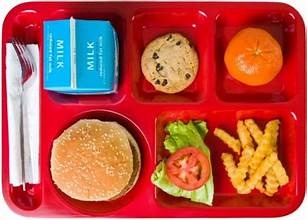
Schools across the United States that participate in the National School Lunch Program (NSLP) are responsible for feeding almost 30 million students each day. However, many school meals fail to provide adequate nutrition for these students. In an effort to lower food costs and feed more people, schools opt for processed foods, which often contain high amounts of sodium and sugar. While inherently high amounts of sodium and sugar are not bad, many families depend on these meal programs for nutritious food daily.
Previously, the school lunch programs were created to reduce childhood hunger and improve student health. The NSLP was founded in 1946, and initially schools were required to serve balanced meals. The Mayo Clinic describes a well-rounded meal as one with fruits, grains, vegetables, protein, and dairy. However, over time, budgets got smaller, and the popularity of mass food production reduced the quality of cafeteria meals. Schools began using frozen foods and processed items simply because it was easier to prepare.
According to the CDC, unhealthy eating habits that are promoted among children increase the risk of future obesity, heart disease, and diabetes later in life. Additionally, poor nutrition may also weaken immune systems and academic performance. Especially among developing children, proper nutrition is necessary for growth and learning. Food nutritionists encourage schools to take preventative measures, increasing foods and vegetables in meals, and limiting the amount of processed foods consumed.
School lunches aren’t necessarily negative for wanting to save costs in order to feed the mouths of more people. More and more people are going to school, so time must also be saved preparing the lunches. Schools try to balance cost, efficiency, and number to ensure students don’t go hungry but due to budgeting costs, schools face a deficit in cafeteria workers who can prepare meals to quickly serve thousands of students lunch.
The FDA is constantly updating regulations to try to ameliorate issues with lunch nutrition. Newer guidelines encourage schools to choose lower-sodium levels, serve more grains, and provide more appetizing vegetable options. Despite the challenges that come with providing lunches for thousands, schools should continue working towards providing nutritious meal options that support students’ growth and learning.