The HIV Crisis in the African continent has been steadily increasing since the 20th century, from where it originated. It has proven to be the most significant public health challenge in Africa, affecting millions of people across the continent.
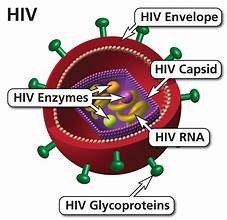
Human Immunodeficiency Virus (HIV), is a virus that attacks the body’s immune system by targeting the CD4 T-cells. CD4 T-cells are crucial for helping the body defend against common illnesses. Commonly, HIV is spread through sharing contaminated needles and mother-to-child transmission. Luckily, it cannot be spread through casual contact such as hugging, shaking hands, or mosquito bites. HIV if left untreated, it could progress to Acquired Immunodeficiency Syndrome, AIDS.
Unfortunately, there is no current cure for HIV; however, the development of antiretroviral therapy (ART) allows people affected by HIV to live longer and healthier lives. ART reduces the amount of HIV particles in the body to prevent further damage to the immune system and reduce the risk of transmission.
In sub-Saharan Africa, over 20 million people live with HIV. Several factors influence the spread of HIV in Africa. For example, poverty, limited access to healthcare, gender inequality, and lack of education increased susceptibility to the virus. In some regions, the social stigma surrounding HIV discouraged people from seeking treatment and testing. Particularly, women are vulnerable to the virus due to gender disparity, economic dependence, and barriers to health services.
The social impact of HIV cannot be ignored either. Families are split apart once parents contract HIV. Children are left under the care of relatives, putting a strain on financial resources. In Tanzania, the education system is taking a toll as there is already an insufficient supply of teachers, while more are dying of HIV. Especially in rural areas, where education depends on a few teachers, the World Health Organization estimates that around 45,000 teachers are needed to make up for those who have left due to HIV. Additionally, HIV affects adults in their most economically productive years, removing important people from the workforce and negatively affecting the overall economy in Africa.
Despite these issues, significant progress has been made. International health organizations and governments have been working to expand healthcare access to HIV. The WHO, along with the United Nations, funded research and trained healthcare workers in South Africa to reduce stigma around HIV and provide care for the residents.