By: Ben Yi, Grade 11
Photo from Walmart
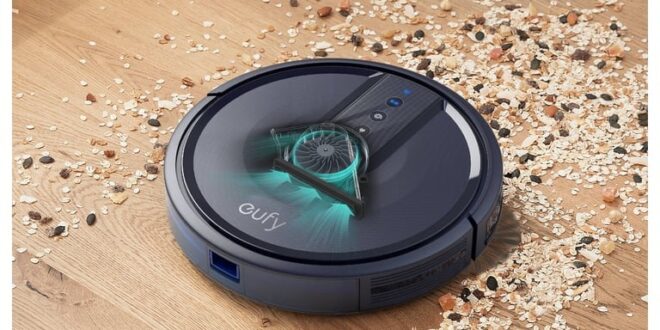
Globally, the cleaning robot market is somewhere between 17 and 21 billion dollars in 2026, growing at roughly 18% a year toward the high 40s by the early 2030s. This includes household cleaning robots, such as simple floor cleaning robots, and pool, window, or industrial units.
The household and residential side is the larger part, currently holding around 63% of the market and is expected to continue to dominate. The “multi-function” trend is strong, as combined vacuum and mop robots with real-time mapping, obstacle detection, and voice-assistant integration are now the norm rather than the exception among newer models. A growing share of premium models also ship with automatic dust-disposal stations that hold debris for weeks at a time. Consumer appetite also shows that around 93% of people are comfortable with or want robot help with floors, versus only 55% who would want robot help with elderly care or childcare.
The more industrial side of robot cleaning includes the large autonomous scrubbers and vacuums you’d see in airports, malls, warehouses, hospitals, and retail stores, which use AI, computer vision, and sensors to clean floors and carpets with minimal human oversight. Estimates for this specific sub-segment currently run around $500 million–$1 billion, projected to roughly double from about $504 million in 2025 to over $1.1 billion by 2034. Despite the hefty average cost of an industrial cleaning robot being anywhere from around several thousand dollars to around several tens of thousands of dollars, there are big benefits to it, as opposed to hiring a human cleaner. More and more people are using autonomous scrubbers to offset rising janitorial wages and chronic staffing shortages, especially for large, repetitive floor areas. With staffing in commercial cleaning being generally quite unreliable, and janitorial and facilities work having high turnover and absenteeism industry-wide, call-outs, no-shows, and understaffed shifts are common occurrences. The robots’ consistency each and every time they clean is extremely beneficial, as the ability to show up in itself is a huge selling point.