By: Sophia
The field of robotics is currently experiencing a massive transformation. For decades, most robots were simply clunky, bolted-down metal arms used to build cars or move heavy boxes in isolated factories. Today, engineers are designing machines that look, move, and interact with the physical world much like living creatures do, and 2026 is shaping up to be the pivotal year where these creations finally step out of the laboratory.
One incredible example of this biological shift is a newly developed robot named **Argus**, created by researchers at Duke University. Designed to conquer difficult environments, Argus looks somewhat like a mechanical bug. It is equipped with 20 individual legs and a network of visual sensors acting as eyes all over its body. This highly unique design allows Argus to see in every single direction at exactly the same time. Because of its constant 360-degree vision and multi-legged stabilization, the robot can easily scale steep walls, crawl over messy rubble, and instantly recover from sudden collisions without getting stuck.
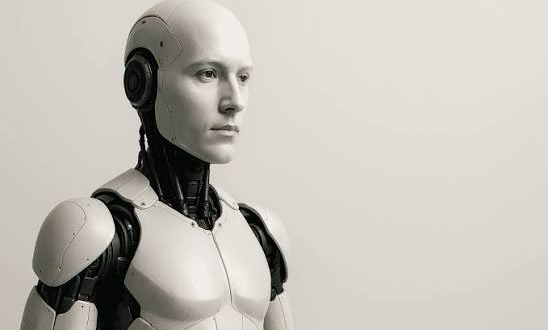
At the same time, a fierce global race is underway to perfect humanoid robots—machines shaped like everyday people—and turn them into a widespread, public-facing business. Chinese automaker and AI company XPENG recently announced aggressive plans to mass-produce humanoid robots by the end of 2026. Their flagship robot, **IRON**, stands about 5 foot 8 inches tall, features over 60 joints, and utilizes biomimetic muscle systems along with an advanced humanoid spine. The company plans to deploy these robots commercially in their retail stores by early 2027, where they will act as autonomous shopping guides and sales assistants.
Around the world, other robotics companies are making similar leaps in tactile perception and bionic design. Engineers are developing bionic hands that can actually “feel” their environment through dense tactile sensing, allowing a robot to safely grip fragile objects or perform incredibly delicate tasks like threading a tiny sewing needle. As electric motors become more compact, batteries last longer, and physical AI models grow smarter, the line between machine and biology is blurring. We are rapidly approaching an era where seeing a humanoid robot in a store or a multi-legged drone navigating a disaster zone will be a completely normal part of daily life.