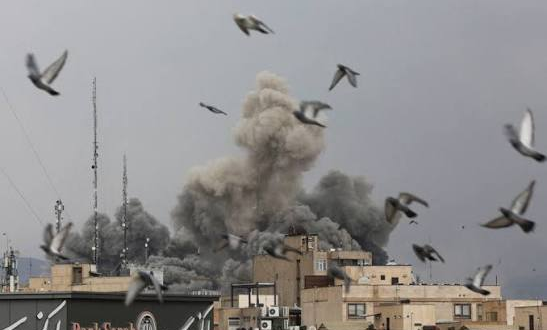
As of July 13, 2026, the conflict between the United States and Iran has become the world’s most pressing international crisis, with fears growing that the fighting could spread across the Middle East. Over the past several days, U.S. forces have carried out repeated strikes against Iranian military targets, while Iran has responded with missile and drone attacks targeting American interests and regional allies.
The latest escalation has centered on the Strait of Hormuz, one of the world’s most important shipping lanes. Iranian attacks on commercial vessels and continued threats to maritime traffic have prompted the United States to expand military operations in the region, raising concerns about global oil supplies and international trade. Energy markets have reacted nervously, with oil prices climbing as governments monitor the possibility of further disruption.
Diplomatic efforts to ease tensions have so far produced little progress. Leaders across Europe and the Middle East continue to call for restraint, warning that a prolonged conflict could draw additional countries into the fighting and worsen humanitarian conditions throughout the region. Military analysts also caution that both Washington and Tehran appear prepared for a sustained confrontation rather than a quick resolution.
The crisis has also affected everyday life beyond the battlefield. Several airlines have suspended or rerouted flights through parts of the Middle East, while shipping companies remain cautious about operating near the Persian Gulf. Businesses and financial markets worldwide are watching developments closely, recognizing that instability in the region could have significant economic consequences.
Although neither side has indicated a willingness to back down, world leaders continue urging diplomacy over further military action. As of July 13, the situation remains highly fluid, with each new exchange increasing fears that the conflict could evolve into a broader regional war with global political and economic repercussions.