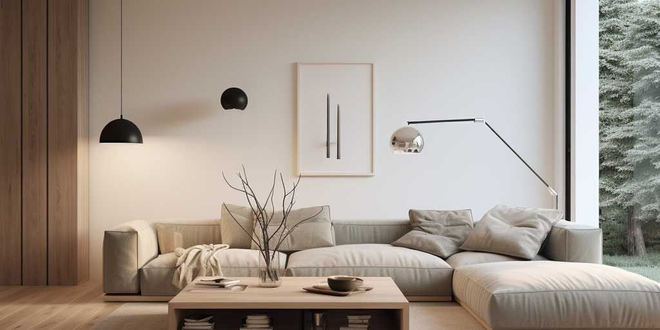
Somewhere along the way, minimalism got a reputation problem. Say the word and people picture stark white apartments with a single chair, an empty closet, and someone smugly announcing they own “only 47 items.” That version of minimalism looks less like peace and more like a personality test gone wrong.
But the actual idea behind minimalism has very little to do with owning as few things as humanly possible. At its core, it’s really just about being intentional — keeping the stuff that adds value to your life and letting go of the stuff that doesn’t. That’s it. No spreadsheet required.
Most people don’t need a philosophy degree to notice that clutter is stressful. A junk drawer stuffed with old chargers, a closet full of clothes you haven’t worn since 2019, a kitchen counter buried under mail you’ll “deal with later” — none of it is doing you any favors. Psychologists have long pointed out that visual clutter competes for our attention, quietly draining focus even when we’re not actively thinking about it. Clearing it out isn’t about aesthetics. It’s about giving your brain one less thing to manage.
Wh
ere minimalism goes wrong is when it turns into another form of pressure — another rule to follow perfectly, another way to feel behind. Some people genuinely enjoy having a lot of books, or plants, or vinyl records, and that’s not a character flaw. Owning things you love and use isn’t clutter. It’s just… owning things.
A more realistic approach looks something like this: keep what’s useful, keep what makes you happy, and let go of the stuff you’re holding onto out of guilt or “just in case” thinking. That guilt is doing more damage sitting in your closet than it would getting donated to someone who’d actually wear it.
Minimalism, done right, isn’t a competition to own the least. It’s permission to stop carrying things — physically and mentally — that you never really wanted in the first place. And that kind of freedom doesn’t require an empty room. It just requires a little honesty about what actually makes your life better.