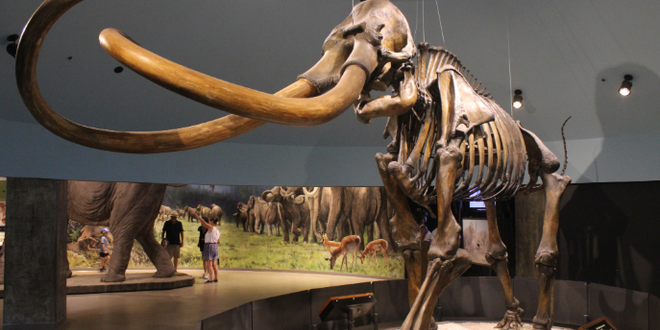
Woolly mammoths lived in Europe, Asia and North America thousands of years ago. These large animals were covered in thick fur and long tusks which enabled them to live in cold climates. However, they have gone extinct around 4000 years ago. Scientists are now looking into using modern genetic technology to create mammoth-like animals.
This process is known as de-extinction. A company named Colossal Biosciences are working towards the mammoth’s return. Scientists are not cloning real mammoths (which is not possible to do at the moment as scientists do not have any complete living cells of a mammoth) but instead looking into using fossilised mammoth DNA and comparing it to Asian elephant DNA.
Scientists hope to use a technology called CRISPR to alter certain genes in the elephants to cause features like thick fur, small ears and cold resistance. In 2025, scientists working for Colossal have announced they have created genetically engineered mice with many mammoth traits.
However, why would you want to bring back an extinct animal? Supporters believe that mammoth-like animals would help bring back the Arctic ecosystem. The movement and feeding habits may help keep grasslands in place and affect how much snow falls. This can help keep the frozen soil (permafrost) in place. This is important as when permafrost thaws it can cause greenhouse gases to be released into the atmosphere.
There are some concerns around this project. Whilst they are creating a mammoth-like elephant, it is not the same as bringing back the original species. Scientists will also need to consider the welfare of the animals, appropriate habitats and what effect it could have on current ecosystems.
Whilst this could lead to new opportunities for genetic research and conservation, should we be spending our resources bringing back extinct animals when there are many endangered species currently living?
Perhaps the biggest issue is making sure that bringing back the mammoth would actually be beneficial for the environment.